Wayfinding for Life Tutorials
MIHI MAP
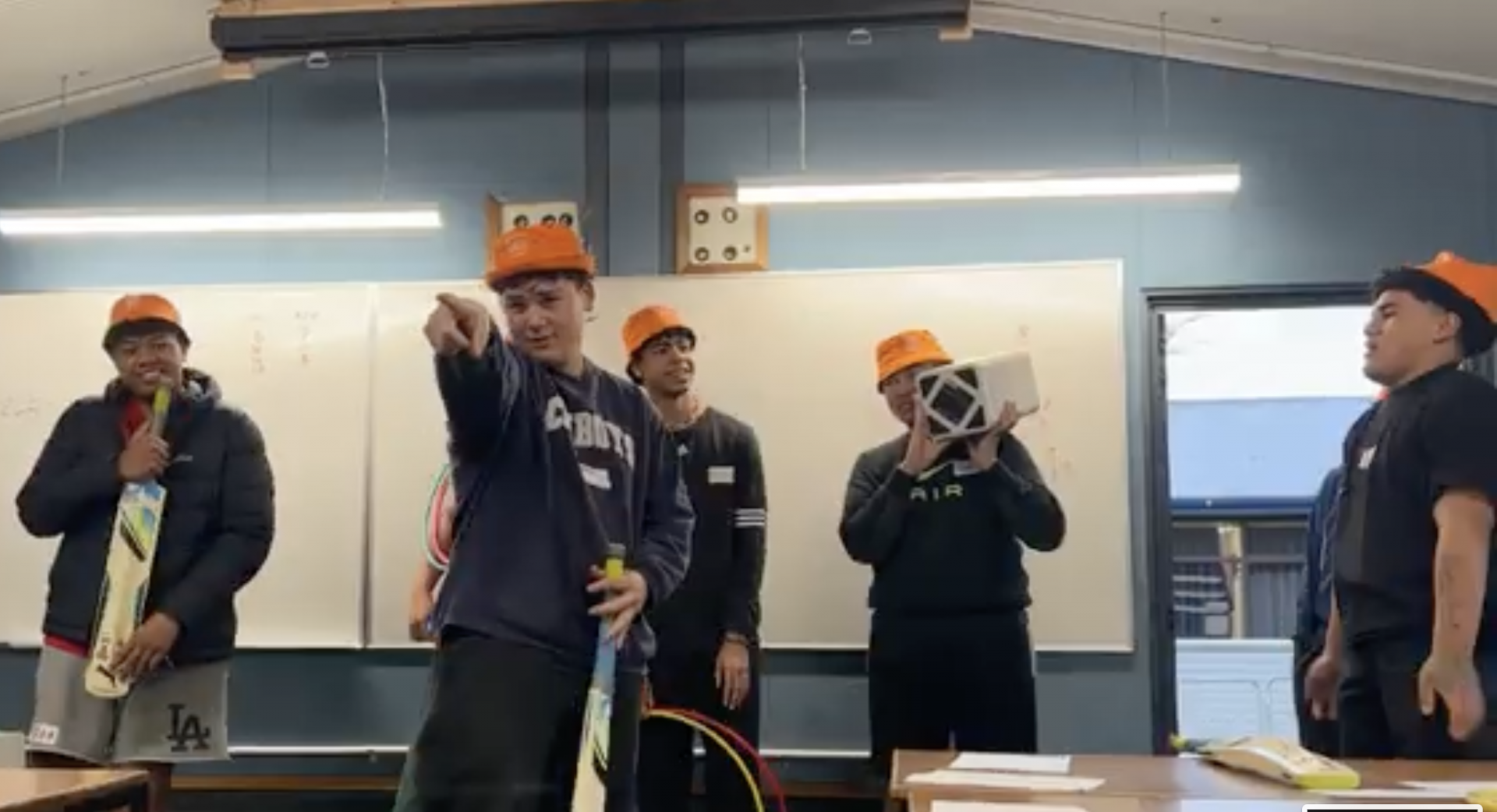
The Mihi Map Process introduces identity, belonging, and connection - through story, creativity, and collaboration.
Participants are asked one powerful question:
“How did you get in the room?”
- They answer it through a whakapapa journey - mapping out the people, places, and events that brought them here.
- At the start, facilitators model vulnerability by creating and performing their own version - unscripted, unprepared, and often humorous. This shows rangatahi that perfection is not the goal; authenticity and courage are.
- At the start, facilitators model vulnerability by creating and performing their own version - unscripted, unprepared, and often humorous. This shows rangatahi that perfection is not the goal; authenticity and courage are.
- Each participant creates an individual story, then the group collaborates to combine their stories into a shared presentation: a play, song, rap, poem, or other creative form.
The first part of every group presentation is a mihimihi or pepeha, to honour Te Tiriti o Waitangi, tangata whenua, and te reo Māori. Facilitators explicitly remind participants that this is not a reo test - it is an act of respect and connection. - Rangatahi are encouraged to look after their shy mates, to make sure everyone feels safe.
TE WAKA
- Rangatahi draw a waka and fill it with their crew - whānau, friends, mentors, pets, ancestors, teachers - anyone who helps them sail through life.
- They name their waka and decorate it with symbols of their strengths.
- We also let them know that when times are tough, there are other people that can join your waka - such as the 1737 Helpline, which offers confidential support, school counsellors and teachers.
- For us on the waka, 1737 are like the Coastguard. They aren’t on our waka all the time, but if we need them, we just call them.
GOOD TIMES COMPASS
- Each rangatahi reflects on what brings them joy and stability - people, places, actions, and thoughts that keep them grounded.
- A compass can also be represented by any image - a flower, a diamond and so forth.
- The compass becomes their protective-factor map, a reference for future safety plans. It is also a tool within reach 24-7.
ANCHORS
- A physical, laughter-filled relay where teams identify potential challenges (“anchors”) that might pull them down in the next 12 months.
- While running and laughing, they collect and discuss themes like stress, peer pressure, family issues, or mental-health challenges.
- The activity keeps emotions light and prevents retraumatisation while enabling deep insight.
5-STEP PLANS
- Each team selects an anchor that is most likely to happen in the last 12 months from their relay lists.
- They then create a 5-step prevention plan - identifying early warning signs, coping actions, people to contact, and support systems.
- Rangatahi are encouraged to look at their Good Times Compass and Te Waka for inspiration.
- Facilitators demonstrate first: students give them a “problem,” and tutors devise and present a 5-step plan, modelling creative problem-solving and emotional regulation.
TV ADS
- The scenario shifts: each team now “owns a business” that helps people facing that problem.
- They design a product or service, then create and perform a TV advertisement for their business.
- This playful, creative reframing helps rangatahi to make memorable solutions.
MAHUTONGA
- The day ends with a shared creative writing exercise.
- Facilitators ask for a title, then begin by writing one line on a folded page before passing it on; each person adds a line without seeing the previous one.
- Participants are reminded: “It’s not a spelling test - whatever you write is right.”
This reinforces freedom, creativity, and self-expression without judgment. - The result is a spontaneous, collective poem about their shared journey.